


[3D Printing] FORZE Hydrogen-Powered Racing Team Integrates 3D Printing Technology into Hydrogen-Powered Prototype Development
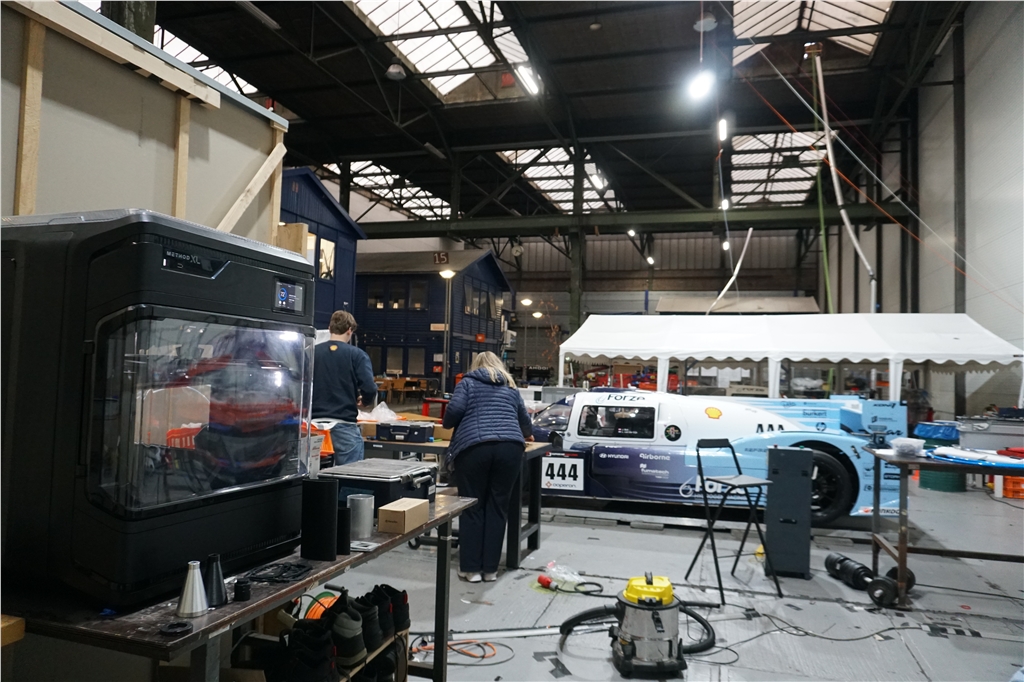
The Forze racing team is managed by 45 student volunteers and is dedicated to developing the hydrogen-powered Le Mans prototype, the Forze 9.The team participated in the Benelux Supercar Challenge, dedicated to promoting the development of clean energy in motorsports, with a particular focus on hydrogen-powered vehicles.
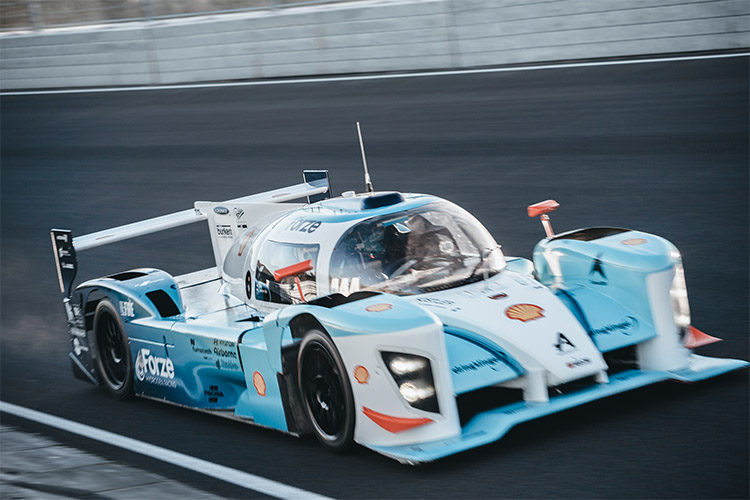
Due to limited resources and tight deadlines, the team adopted 3D printing as a key technology to accelerate its prototyping, manufacturing, and iterative design processes.
The integration of 3D printing enabled the team to quickly create and improve parts, optimize designs, and adapt to the unique challenges of manufacturing hydrogen-powered race cars.
This approach not only speeds up the engineering cycle but also allows the team to experiment with the design.
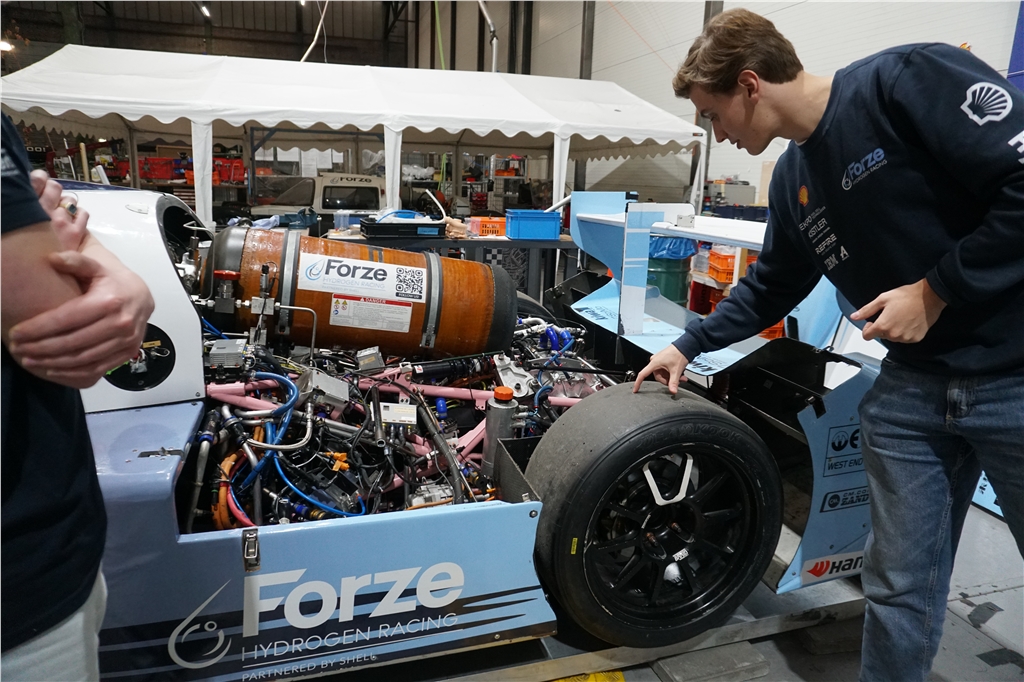
Creating champions
As a student-run team, Forze faces numerous challenges, including a limited budget and difficulty in accessing external manufacturing services.
Traditional methods, such as CNC machining, mean longer delivery times and higher costs.
Given the complexity of developing hydrogen-powered vehicles, rapid prototyping is crucial for the dynamic testing, iteration, and improvement of key components, especially to ensure proper fit and functionality.
The Method XL 3D printer has become central to the Forze team's workflow.
With its dual extruder system, large build volume of 305 x 305 x 320 mm, and user-friendly features, it allows teams to quickly and efficiently print prototypes while ensuring high-quality and reliable parts for critical systems in their vehicles.
This printer improves the integration between different parts of the vehicle, enabling the team to quickly test parts, check fit, and even identify potential problems before they affect larger components.
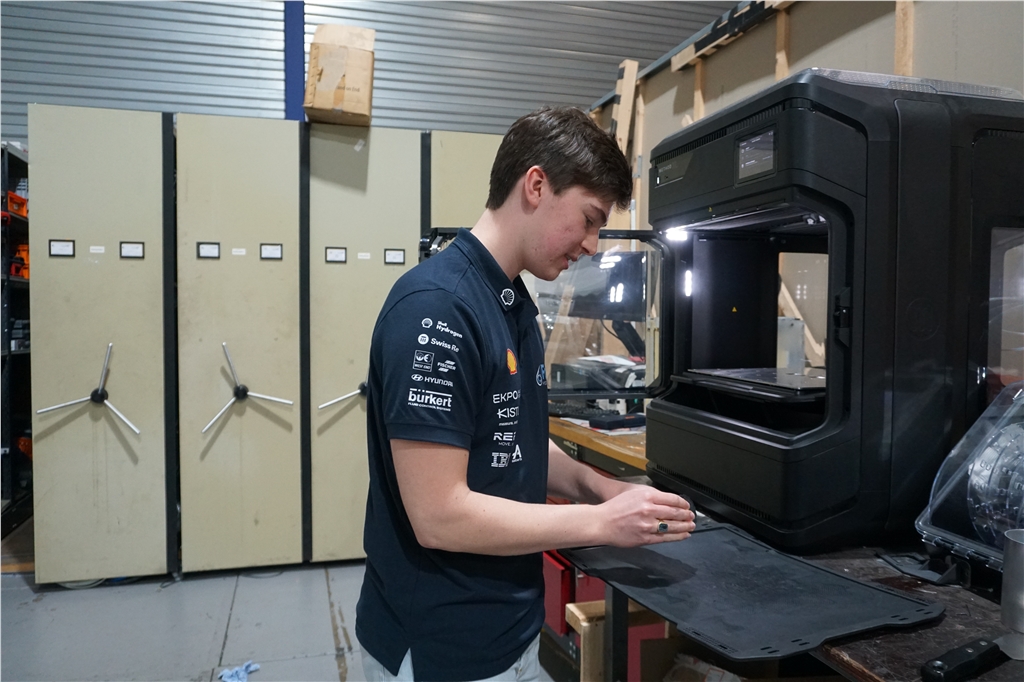
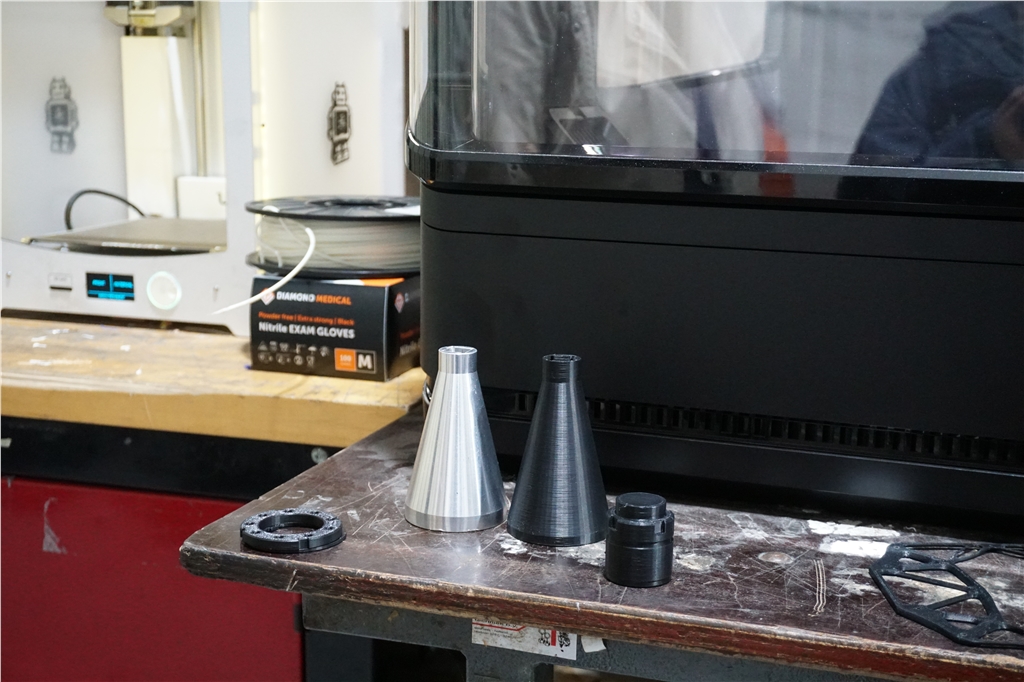
This enabled the team to create prototype parts that were both lightweight and robust, which is crucial for extreme environments.
The team primarily uses ABS for prototyping because it is durable and easy to use, while carbon fiber is used for high-strength applications such as structural components.
Water-soluble support materials dissolve easily and quickly in warm water, making them ideal for more complex components that require complex geometries but lack a support structure.
Although the team has PLAs available, they are typically used for smaller, non-critical parts.
3D printing significantly reduces the development time for prototyping.
Work that would take weeks to complete in traditional manufacturing processes can now be done in hours, enabling teams to get immediate feedback and improve designs more quickly.
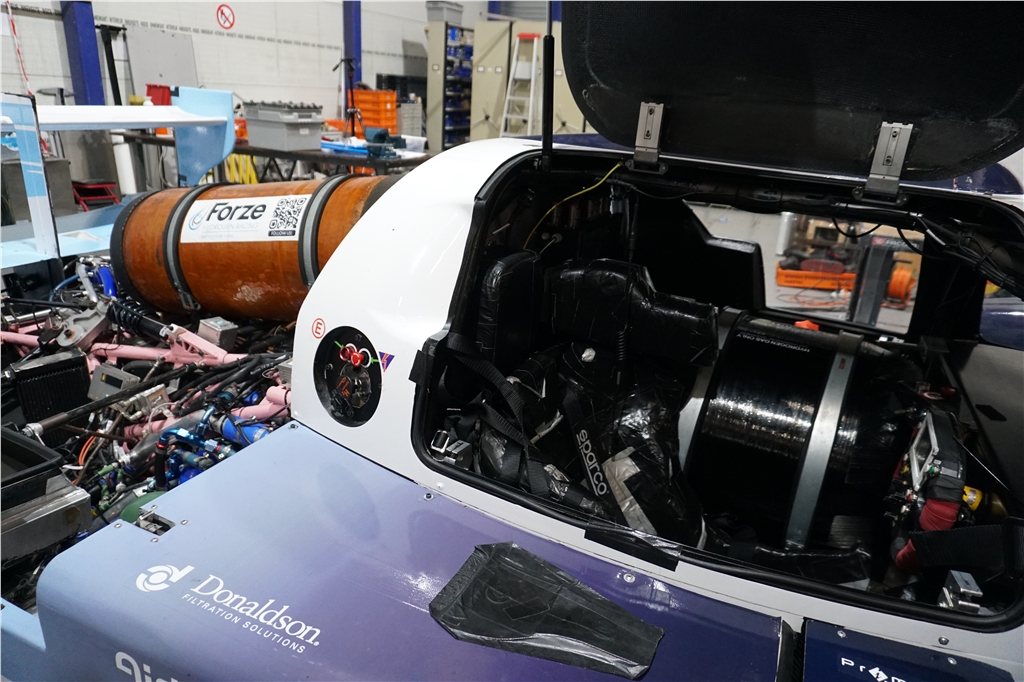
The impact of 3D printing on team collaboration
The adoption of 3D printing has led to a shift in how teams collaborate.
What started as mere curiosity about using a single printer for prototyping has now become a widespread adoption across multiple departments.
The team quickly learned how to leverage the technology for more efficient design iterations and production, making it a key part of their daily operations.
Although the printer is easy to use, the team also spent time learning about slicing, material properties, and post-processing techniques.
Knowledge is shared within the team, and more experienced members provide support to 3D printing novices.
There is even an internal "administrator" role responsible for managing the digital factory platform and solving more complex problems, such as material-specific challenges.
"We learned a lot in the process," said mechanical engineer Ernst Paardekooper.
"We have 3D printing pipelines, and when others encounter difficulties, there are people with more experience in slicing materials who can help them."
Although printers are intuitive, some things (such as material settings) can be difficult to do correctly at first.
For students like the Forze team, 3D printing provides invaluable practical experience that can directly benefit their future careers.
The ability to quickly prototype, iterate on designs, and solve problems equips students with practical, industry-relevant skills that employers highly value.
These experiences can help students prepare for jobs in industries such as automotive, aerospace, and consumer goods, where rapid prototyping and product development cycles are key.
Future expansion plans
As the Forze team's work continues to grow, they look forward to increasing the use of 3D printing.
This printer is capable of handling larger constructions and complex designs, providing opportunities for 3D printing more parts, including structural components and custom devices.
Chief Chassis Officer Koen Vogels stated, "We're already printing a lot of things, and as we continue to iterate, we'll likely increase our use of 3D printing." "Having a reliable and easy-to-use printer has already given us an advantage. It allows us to try out new ideas quickly and efficiently."
competitive advantage
3D printing has become an important tool for them in developing hydrogen-powered vehicles, while also providing them with an essential skill for their future careers.
Many engineers now need to know how to use 3D printing in product development, and teams like Forze are providing students with opportunities to develop these skills in real-world environments before graduation.
Did you enjoy this sharing? Learn more about the Method XL 3D printer now!
-Contact Us-
SanDiMa offers more than just 3D printing ; we provide three major OEM services: " 3D Printing Manufacturing ," " 3D Scanning Services ," and " Spatial 3D Scanning Services "!
Follow our fan page and stay up-to-date with the latest news:
Facebook | Instagram