


3D Printing Bambu Lab is supporting a UK startup to build a "seaweed harvester" to restore vital underwater meadows.
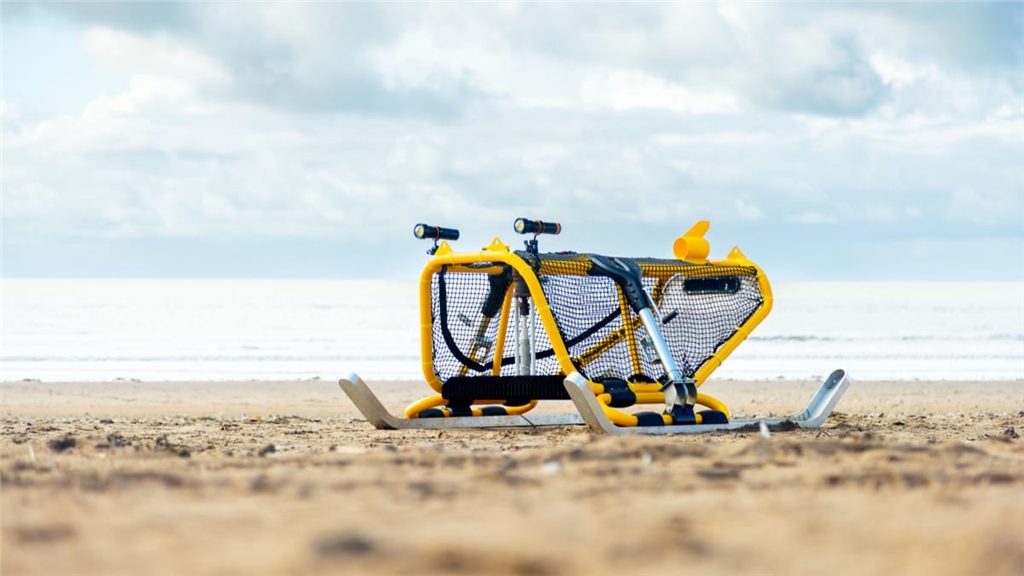
British startup Tandem Ventures has unveiled its "Seagrass Harvester," a device designed for the mechanized harvesting of seagrass seeds.
This project, developed in collaboration with Project Seagrass and Swansea University, revolutionizes the process of marine habitat restoration. The machine aims to accelerate the recovery of seagrass meadows by providing a faster and more scalable method than traditional manual techniques.
This development also utilized Bambu Labs' 3D printers to produce several key components of the device.
This project, developed in collaboration with Project Seagrass and Swansea University, revolutionizes the process of marine habitat restoration. The machine aims to accelerate the recovery of seagrass meadows by providing a faster and more scalable method than traditional manual techniques.
This development also utilized Bambu Labs' 3D printers to produce several key components of the device.
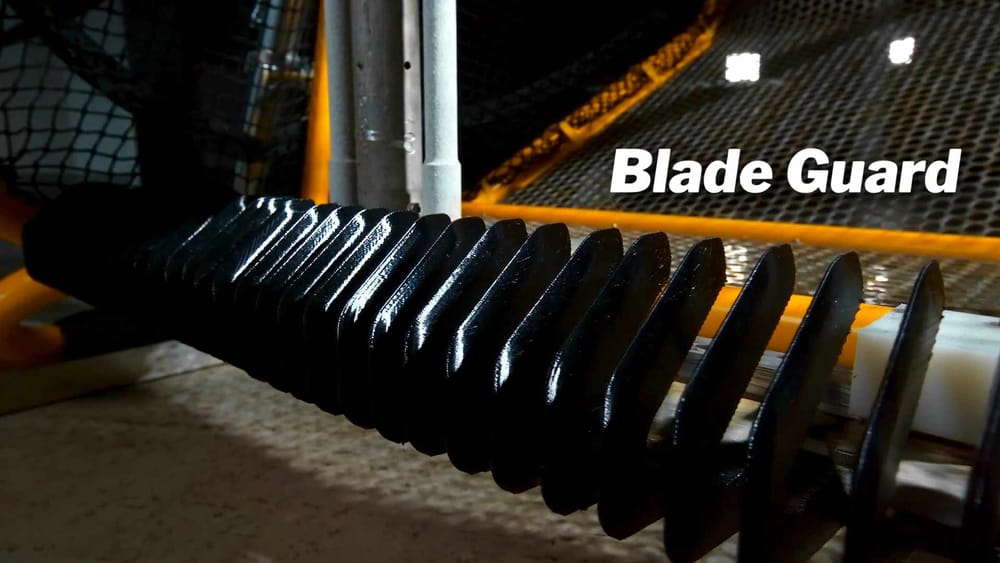
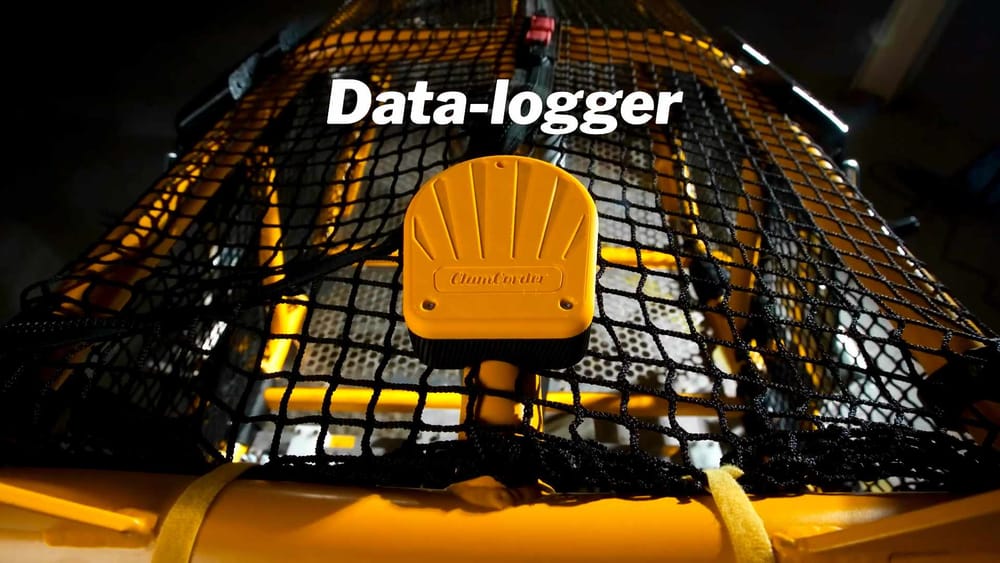
The challenge that the "seagrass harvester" project aims to address is the extreme inefficiency of traditional seed collection methods. Currently, divers must manually cut off each seedling with seeds using scissors and place them into collection bags. This is an extremely time-consuming and labor-intensive process, and given the massive scale of seagrass meadow degradation, this method is simply insufficient.
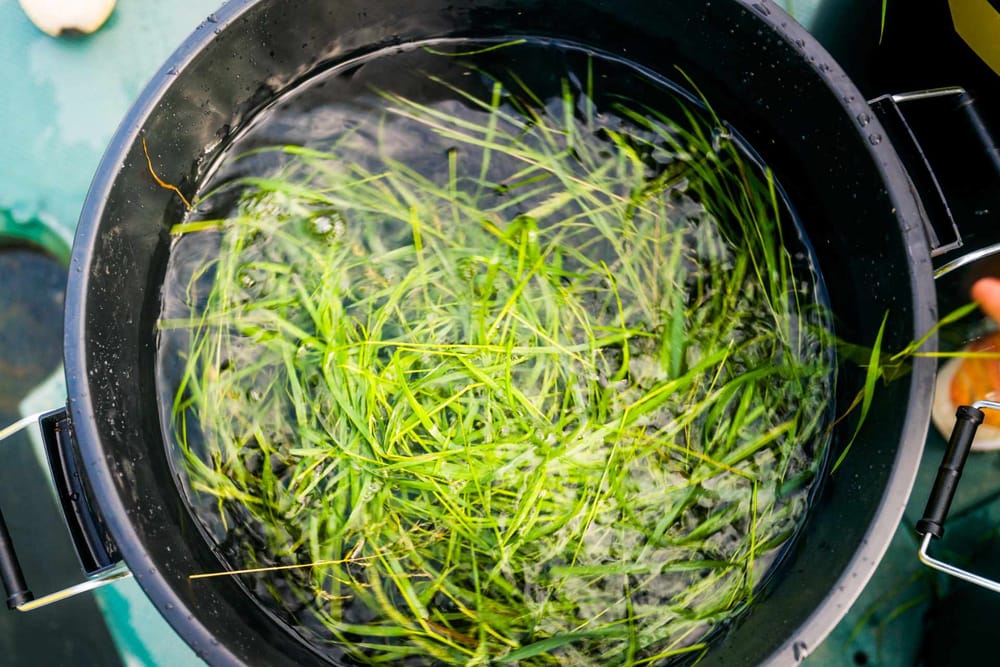
Seagrass harvesters solve a seemingly niche problem that has significant implications for climate and marine life. Seagrass meadows are among the most important ecosystems on Earth—they store twice as much carbon as tropical forests and provide shelter for thousands of species of fish and invertebrates.
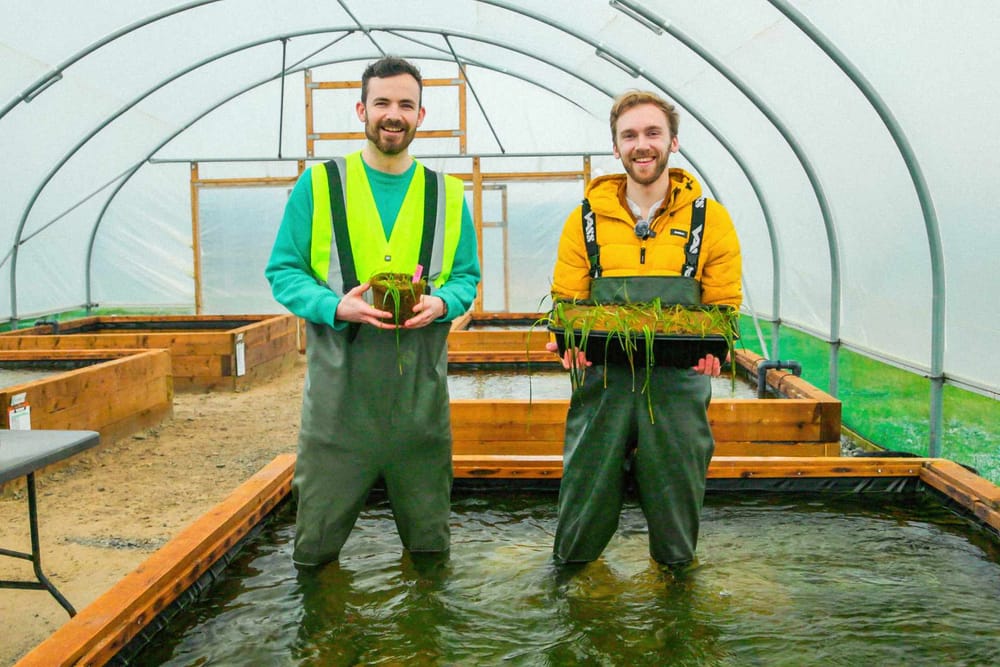
Unfortunately, nearly half of the underwater meadows have disappeared in the past few decades, mainly due to pollution and human activities.
Repairing them is extremely difficult because the seeds must be collected manually from the seabed—a slow, expensive, and physically demanding process.
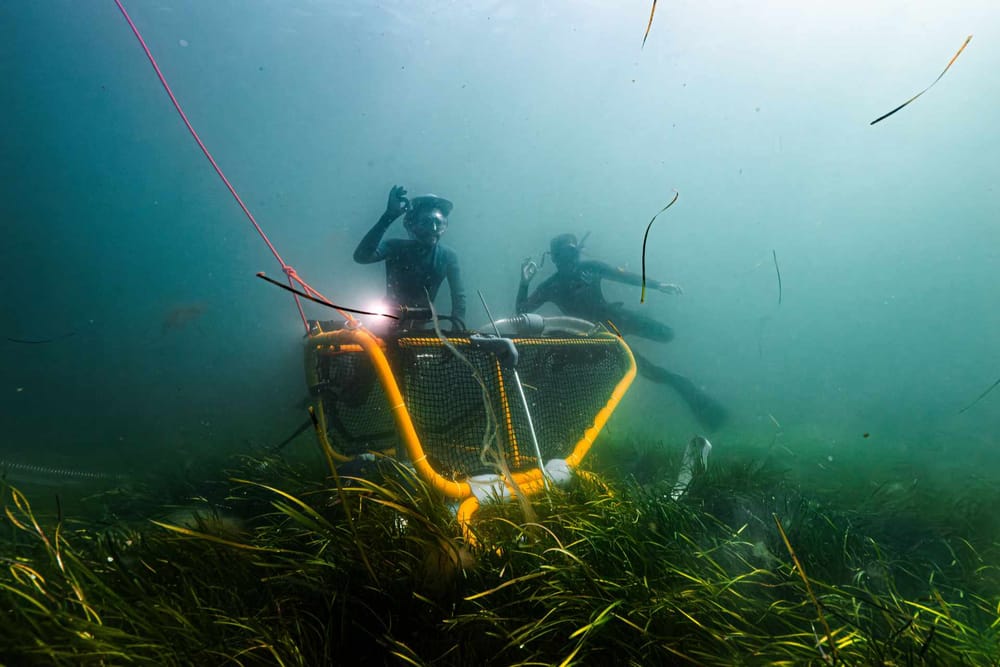
Determined to change this, Tandem Ventures designed a device that can be towed along the seabed. The machine moves smoothly on a skateboard, cutting the upper part of seagrass stems containing seeds, and then gently conveying them to the surface through a suction system, where they are filtered and collected.
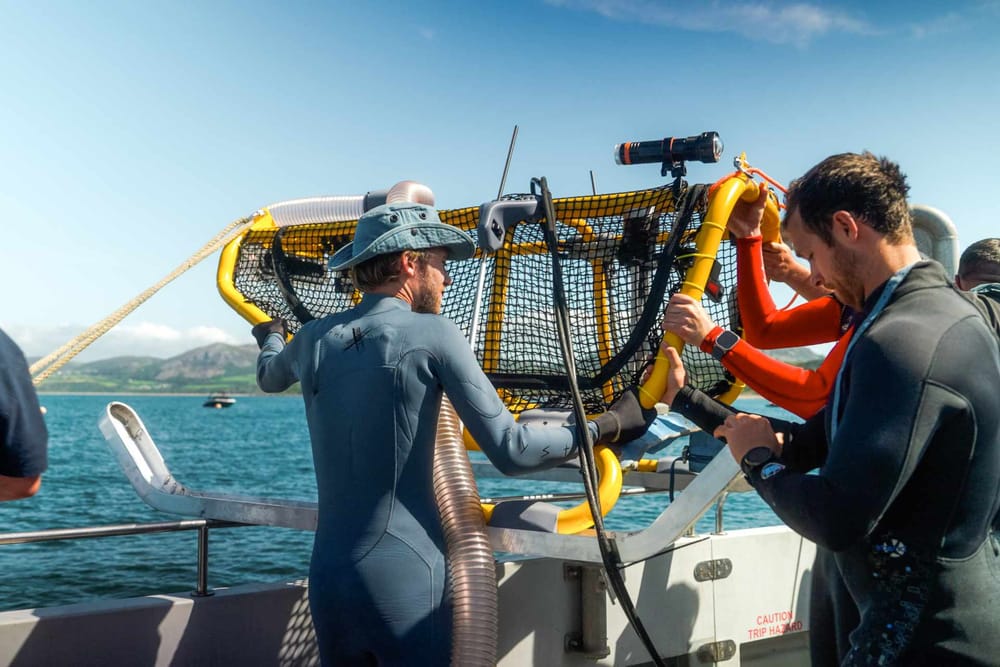
It is estimated that this method could be up to a hundred times faster than manual collection, opening the door to large-scale restoration work that was previously unimaginable.
Tandem Ventures is a research and development firm founded by Sam Rogers, a jet pilot and chief design officer at Gravity Industries, and Edwin Towler, a filmmaker and product designer with extensive experience in conservation work.
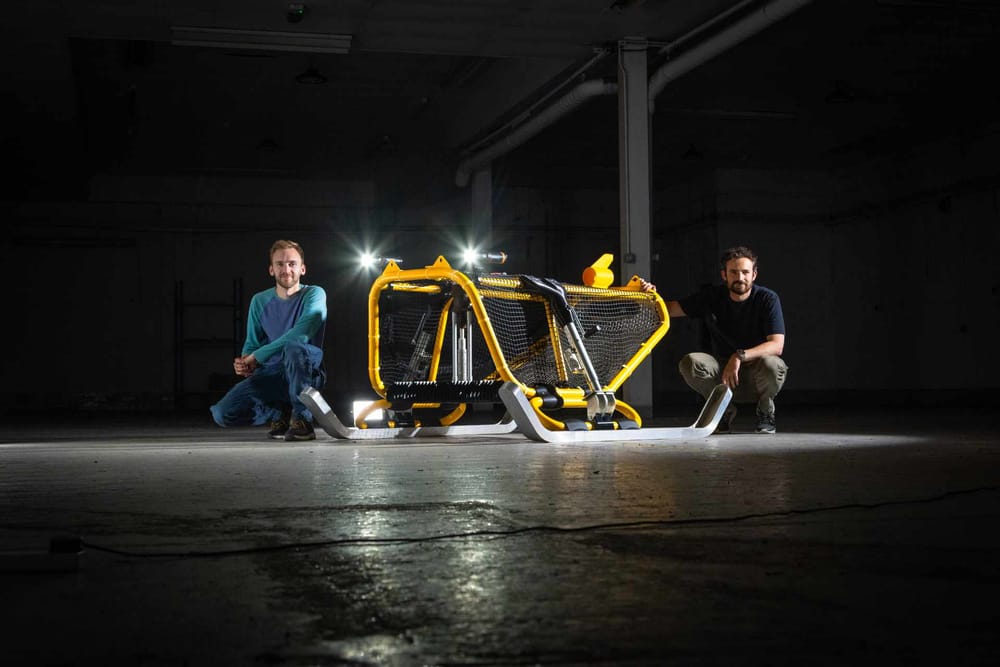
Their mission is to perform advanced engineering and design work for social and environmental causes, completely free of charge to the beneficiaries. Tandem Ventures' funding model relies on brand partnerships and crowdfunding campaigns, enabling the team to combine cutting-edge engineering with a purely ecological mission.
Importantly, the company’s philosophy is based on open access to technology—the complete documentation for the seagrass harvester will be released as open source, enabling scientists and organizations around the world to build their own localized versions of the device.
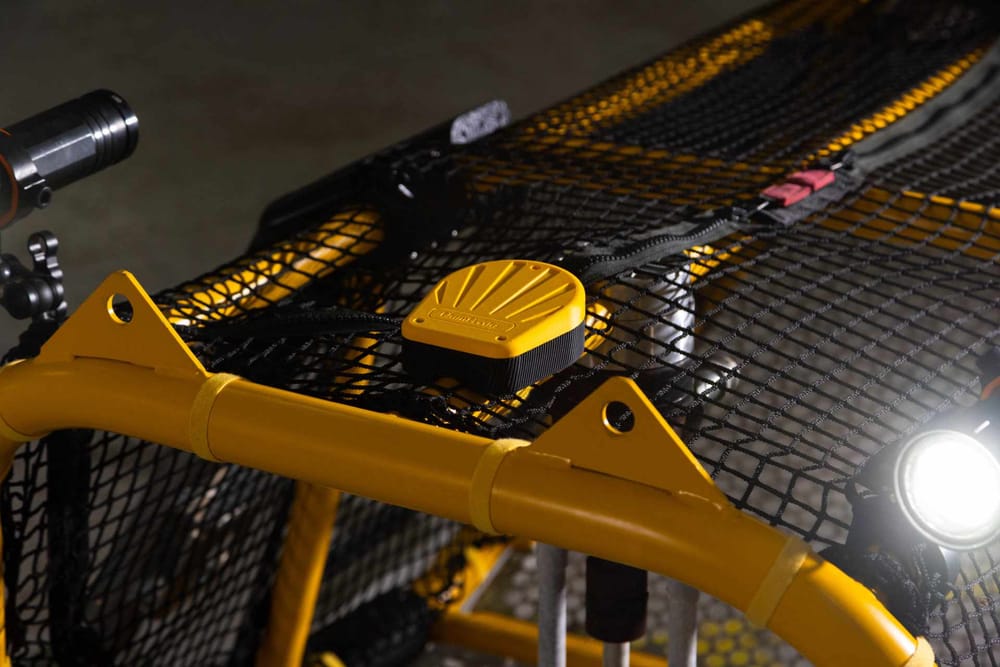
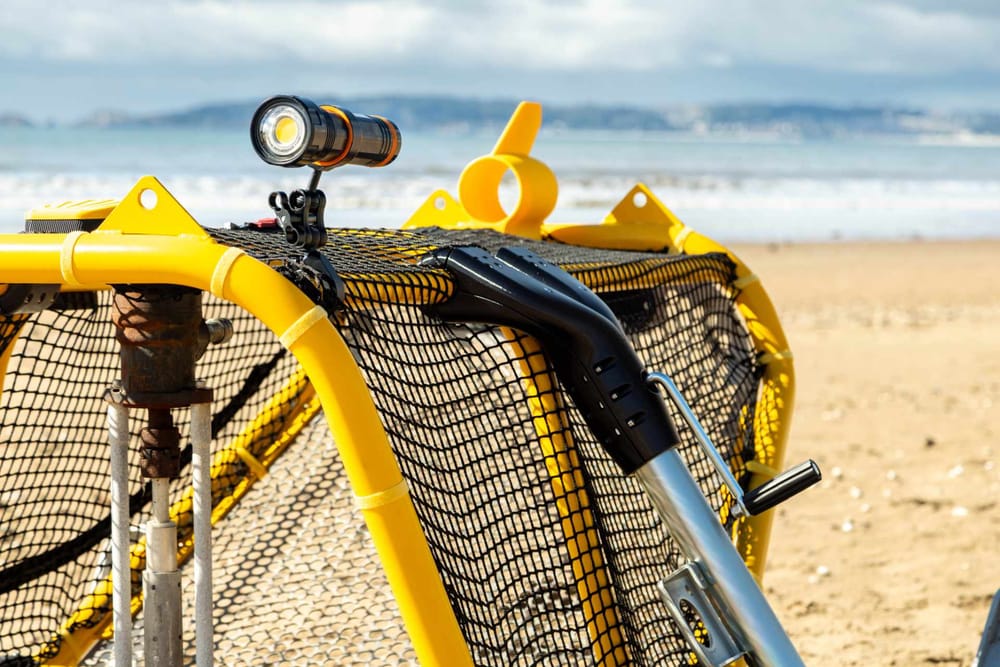
Prototyping is fraught with challenges—from pump failures to component implosions—and is an integral part of the world of invention. 3D printing plays a crucial role in the iterative design process. It allows teams to rapidly produce and test multiple iterations of specialized parts such as structural joints, blade guards, and conduit guides.
This approach allows for precise design optimization while maintaining the necessary lightweight, strength, and resistance to harsh marine environments. 3D printing significantly accelerates the transition from concept to a fully functional prototype tested in the ocean.
Bambu Lab supported the project, and all parts were printed using H2D and P1S printers with 0.8 mm and 0.4 mm nozzles.
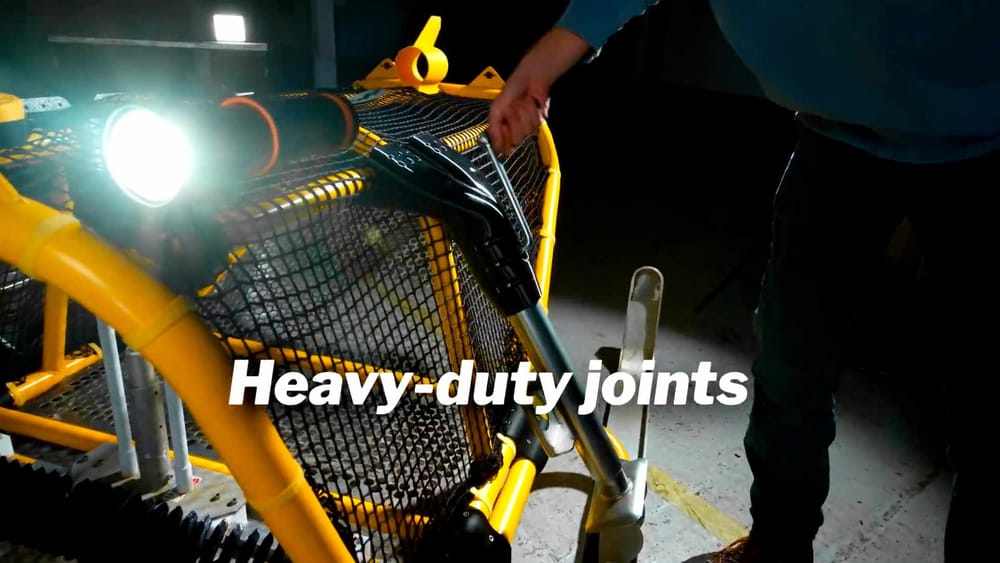
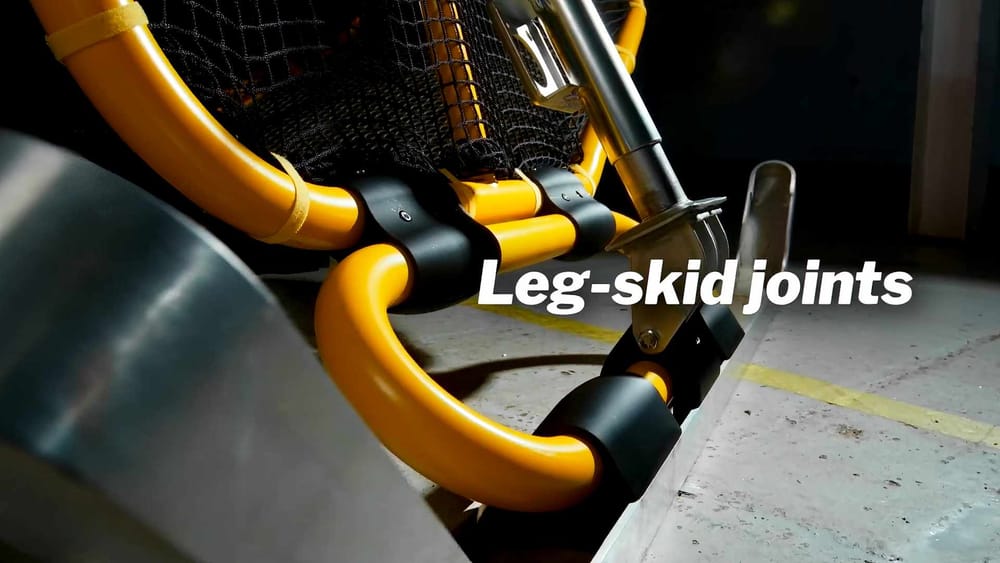
The team used TPU and PLA materials, with the use of elastomers being particularly crucial for proving the system's performance. The 3D-printed finished components of this remarkable project will be showcased at Bambu Lab's booth at Formnext 2025 in Frankfurt, Germany. All photos courtesy of Tandem Ventures. Copyright reserved.
Learn more about Bambu Lab product information 👈
-Contact Us-
SanDiMa offers more than just 3D printing ; we provide three major OEM services: " 3D Printing Manufacturing ," " 3D Scanning Services ," and " Spatial 3D Scanning Services "!
Follow our fan page and stay up-to-date with the latest news:
Facebook | Instagram | T hreads